
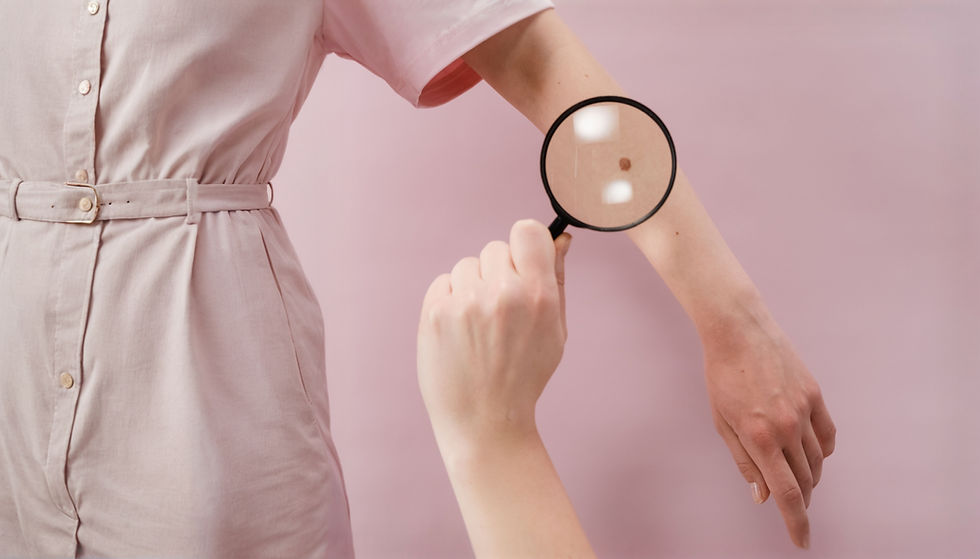
What Is Benign Skin Lesion Removal?
Individual Assessment
The appropriate approach depends on the type, size, depth, location and characteristics of the individual lesion.
Benign skin lesions are non-cancerous skin growths. They can take several different forms and may become a concern because of their appearance, position, size or the way they catch on clothing.
The lesions covered by the existing page include warts, verrucas, skin tags, benign moles, solar lentigines, cherry angiomas, seborrhoeic keratoses, pilar cysts and dermal cysts.
There is no single removal method that is appropriate for every lesion. The treatment approach depends on the individual growth, including its type, size, depth and location.
Treatment is carried out under local anaesthetic and may involve removing the lesion at its base or completing a full excision.
Local Anaesthetic
Benign skin lesion removal is carried out under local anaesthetic during the procedure.
Partial Removal
Some lesions can be removed at their base until they are level with the surrounding skin.
Complete Excision
Some lesions require complete removal, which may involve removing surrounding tissue and using stitches.
Which Skin Lesions May Be Considered?
Common Benign Skin Lesions
-
Skin tags
-
Benign moles
-
Warts
-
Verrucas
-
Solar lentigines
-
Cherry angiomas
-
Seborrhoeic keratoses
-
Pilar cysts
-
Dermal cysts
These lesions have different structures and depths, so they cannot all be treated in the same way.
Some may be suitable for removal at their base until they are level with the surrounding skin. Others may require complete excision, including removal of surrounding tissue and the use of stitches.
Assessment must take place before a treatment recommendation is made.

Skin Tags
Skin tags are among the benign lesions for which partial removal may be considered following assessment.

Benign Moles
Flatter moles may be partially removed, while larger moles may require a different excision approach.

Warts & Verrucas
Warts and verrucas are both included among the common benign skin lesions considered for treatment.

Solar Lentigines
Solar lentigines are another type of benign skin lesion that may be discussed during your assessment.

Cherry Angiomas
Cherry angiomas are included among the common benign skin lesions covered by this treatment page.

Seborrhoeic Keratoses
Seborrhoeic keratoses may be suitable for partial removal at the base, depending on individual assessment.

Assessment Before Treatment
Who Is Lesion Removal Suitable For?
This service is intended for lesions assessed as benign and considered appropriate for removal within the clinic.
It may suit people who are concerned about a lesion’s appearance, position or the way it catches, rubs or becomes irritated.
Suitability depends on the lesion itself, including its size, depth, location and characteristics. Your medical history, healing considerations and reason for requesting removal will also be discussed.
If there is uncertainty about the nature of a lesion or it requires a different form of assessment or treatment, removal should not proceed until appropriate advice has been obtained.
Lesion-specific approach
Size and depth considered
Partial or complete removal
Procedure explained beforehand
Common Questions
What Happens During Lesion Removal?
Your appointment begins with an assessment of the lesion. The practitioner will consider its type, size, depth and location before recommending an appropriate removal approach.
The treatment area is prepared and local anaesthetic is administered.
Some lesions can be removed at their base until they sit level with the surrounding skin. Other lesions require complete excision. Complete excision may include the removal of surrounding tissue and the placement of stitches.
The exact appointment length will depend on the lesion and the procedure required. This should be confirmed following assessment.
What Happens After Treatment?
Your recovery and aftercare will depend on the type of lesion removed and whether partial removal, complete excision or stitches were required.
You will receive guidance about caring for the treated area, keeping it protected and recognising anything that should be reported to the clinic.
Where stitches are used, you will be advised about the appropriate follow-up arrangements.
All removal procedures affect the skin and may leave a mark or scar. The likely outcome and relevant healing considerations should be discussed before treatment proceeds.
Contact the clinic if you experience unexpected symptoms or have concerns about the treated area.
Why Choose Hart Skin & Wellness Centre?
Benign lesion removal requires more than simply deciding that a visible growth should be taken away.
At Hart Skin & Wellness Centre, the lesion is assessed before the appropriate treatment approach is recommended. Its type, depth, size and location are considered alongside your medical history and reason for requesting removal.
You will receive an explanation of the proposed procedure, whether stitches may be required and what to expect during healing before deciding whether to proceed.
Which lesions may be considered for removal?
Skin tags, benign moles, warts, verrucas, solar lentigines, cherry angiomas, seborrhoeic keratoses, pilar cysts and dermal cysts.
Will the area be numbed?
Yes. Benign lesion removal is carried out under local anaesthetic.
Will I need stitches?
This depends on the lesion and the method of removal. Some lesions can be removed at their base, while complete excision may require stitches.
Can every skin lesion be removed at the clinic?
No. The lesion must first be assessed as benign and suitable for the treatment available. If another form of assessment or care is required, removal should not proceed.
Will lesion removal leave a scar?
Any procedure that removes tissue can leave a mark or scar. The likely result depends on the lesion, removal method, treatment area and individual healing.
How long does the procedure take?
The existing source does not provide one standard treatment time. Appointment length depends on the lesion, its location and whether partial removal or complete excision is required.
What aftercare will I need?
Aftercare depends on the procedure performed. You will receive instructions for protecting and caring for the area, along with any required follow-up arrangements.
Your Path to Radiance
We guide you through every stage of your skin health journey with professional expertise and personalised care.
A NEW AND IMPROVED YOU AWAITS
1
Consultation
A relaxed clinical discussion about your goals.
2
Personalised Plan
A bespoke treatment route tailored to you.
3
Treatment
Expert clinical care delivered with precision.
4
Ongoing Support
Continuous wellness guidance beyond your visit.
